




How to Clean Your Tongue (And How to Use a Copper Tongue Scraper)
By The Primal Life Team
To clean your tongue with a scraper, stick out your tongue and place the rounded edge as far back as feels comfortable. Gently pull it toward the tip, rinsing the scraper between passes. Make two to three gentle passes once a day, before or after brushing and flossing.
Don't have a tongue scraper? A soft-bristled toothbrush works, too.
Why Should You Clean Your Tongue?
Cleaning your tongue can leave your mouth feeling fresher, especially if you notice a coating toward the back. It's a small, optional step you can add to your brushing and flossing routine.
Your tongue has tiny bumps called papillae. Food particles and other debris can collect around them, leaving a visible coating on the surface.
A tongue scraper or soft-bristled toothbrush can help remove that buildup. The American Dental Association considers tongue cleaning a matter of personal preference, so it's something you can add if you like how your mouth feels afterward.
Wondering what dentists think of using a tongue scraper? Find out by reading
"Should You Use a Tongue Scraper? Dentists Share the Benefits."
How Do You Use a Tongue Scraper?
- Rinse your mouth with water.
- Stick out your tongue and hold the scraper by both ends.
- Place the rounded edge as far back on your tongue as feels comfortable.
- Apply a light amount of pressure, and then pull the scraper toward the tip in a single fluid motion.
- Rinse the scraper with warm water. Repeat this step twice or three times, and make sure you have covered the sides of your tongue.
- Finish with a final rinse of your mouth.
How Do You Clean the Back of Your Tongue?
Start wherever you feel comfortable.
As you get used to tongue scraping, you may find it easier to reach a little farther back.
Try slowly breathing out as you position the scraper, and never force it farther than feels comfortable.
How Do You Clean Your Tongue Without Gagging?
If scraping your tongue makes you gag, don't start at the very back. Begin near the middle and gradually work farther back as you get comfortable.
A few things you can try:
- Breathe out or hum softly while scraping.
- Scrape before eating rather than right after a meal.
- Keep each stroke gentle and smooth.
- Stop before it becomes uncomfortable.
How Do You Clean Your Tongue With a Toothbrush?
You can also clean your tongue with a soft-bristled toothbrush. Toothpaste is optional, and there's no need to scrub hard.
- Stick out your tongue and position the bristles as far back as feels comfortable.
- Gently brush forward toward the tip.
- Use light sweeping motions to clean across the surface.
- Rinse your mouth and toothbrush when you're done.
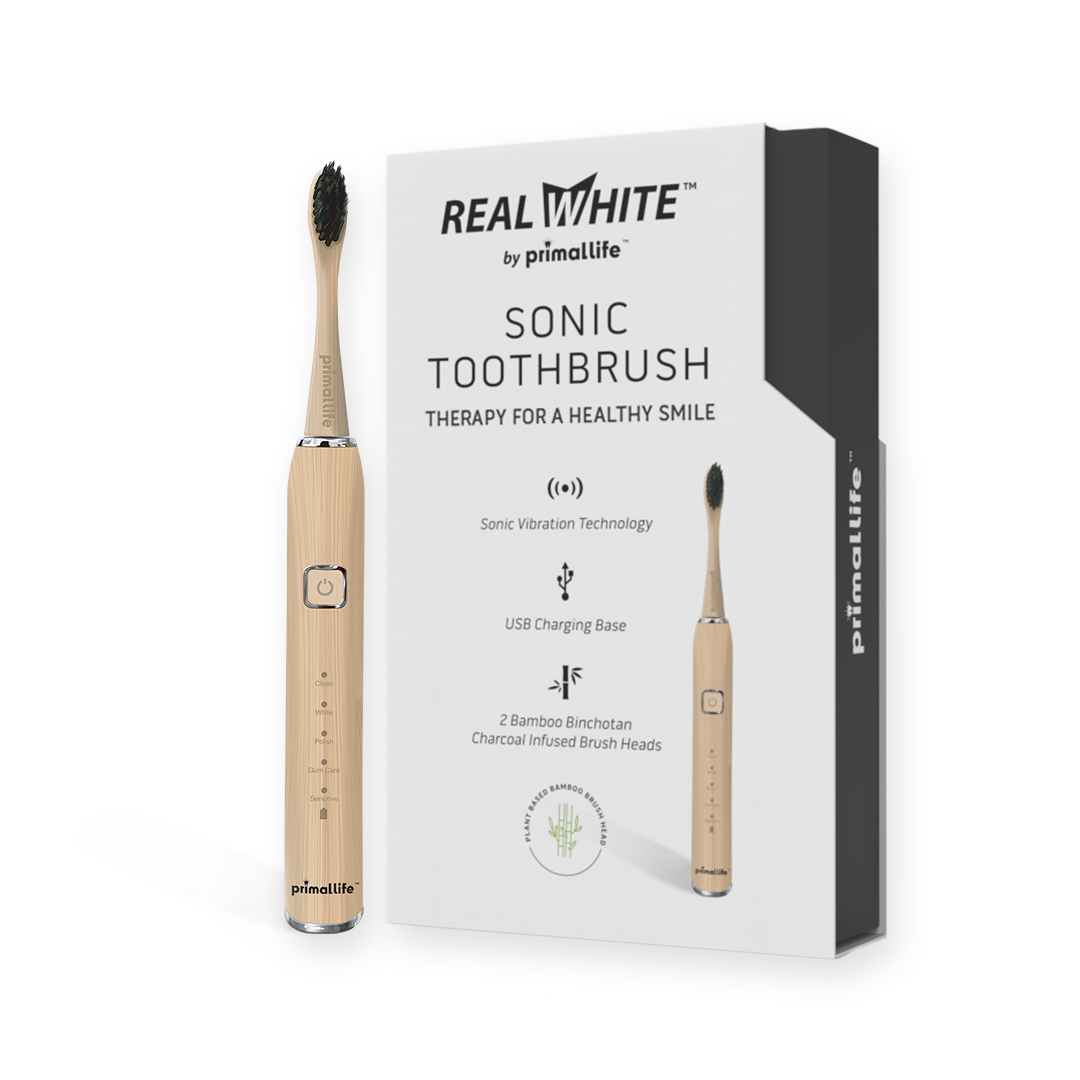
The ADA states that some individuals prefer to use their toothbrush to clean their tongue. However, if you are looking for a specific instrument to do so, please take a look at our selection of toothbrushes and tongue scrapers.
How Are a Tongue Scraper and a Toothbrush Different?
A tongue scraper uses a smooth, curved edge to lift surface buildup.
A toothbrush uses soft bristles to brush across your tongue.
Both can help clean the surface. The biggest difference is how each one feels and which tool you prefer using.
| Tongue scraper | Toothbrush | |
|---|---|---|
| Design | A flat, U-shaped edge | Bristles on a small head |
| Motion | One pull from back to front | Short sweeping strokes |
| Feel | A smooth glide | Bristle texture |
| What you need | A separate tool | The brush you already own |
| Care | Rinse, wash and dry after use | Wash and dry after use |
You'll also see tongue scrapers called tongue cleaners.
The names are often used interchangeably.
Choose whichever method feels more comfortable and is easiest for you to use regularly.
Why Use a Copper Tongue Scraper?
Copper tongue scrapers are reusable, have a smooth curved design, and have a long history in traditional oral care.
Here's what makes copper worth considering:
The Design: A single curved piece of metal with no moving parts.
The Patina: Copper naturally darkens over time. This change in appearance is normal.
The Tradition: Tongue scraping has long been part of traditional Ayurvedic oral care.
The Alternatives: Stainless steel and plastic scrapers are also available. The scraping technique is the same regardless of material.
If you prefer copper, the Primal Life Organics Copper Tongue Scraper is a simple, reusable option for your daily routine.
When Should You Clean Your Tongue?
Once a day is a good starting point for cleaning your tongue.
Morning is a popular choice, but any time that fits your routine works.
You can scrape your tongue before or after brushing and flossing.
Choose whichever order feels easiest to stick with.
A great morning oral care routine could look like this: scrape your tongue, brush with your regular toothpaste or our tooth powder, then floss.
Prefer scraping after brushing and flossing? That works, too. Choose the order that feels right for you.
You can find everything you need in our oral care collection.
How Do You Clean a Tongue Scraper?
- Rinse between passes. Use warm water to remove buildup from the scraper.
- Wash after each use. Clean with warm water and mild soap.
- Dry completely. Store your scraper in a dry place.
- Check for wear. Replace it if it bends, becomes nicked, or develops a rough edge.
Make Tongue Scraping Part of Your Morning
A few gentle passes are all it takes to add tongue cleaning to your daily routine.
Our Copper Tongue Scraper gives you a simple, reusable tool to help maintain that cleaner-mouth feeling.
Purchase the Copper Tongue Scraper
Frequently Asked Questions
How Often Should You Scrape Your Tongue?
You should scrape your tongue once per day, preferably in the morning. Many individuals also choose to scrape their tongue in the evening as part of their daily bedtime ritual. For each scraping session, apply light pressure and make two-three passes (from back to front).
Should You Scrape Your Tongue Before or After Brushing?
Both are fine. A lot of people scrape first before brushing and flossing their teeth, however, the sequence you use is completely personal preference. Choose either way, and do it on a regular basis until it is a habit.
Why Is My Tongue Sore After Using a Tongue Scraper?
Use less pressure with your scraper, and take more time and be softer with each stroke. You should also try giving your tongue a break from scraping for one or two days. If the soreness does not subside after that time period, then you need to consult your dentist.
Can You Use a Spoon to Clean Your Tongue?
Yes, you can do this by turning a clean teaspoon upside down, placing it at the very rear of your tongue, and gently pulling it forward while applying light pressure, followed by rinsing. Because a tongue scraper was designed to perform this task, many individuals choose to use them each day.
What’s the Difference Between Copper and Stainless Steel Tongue Scrapers?
The material: Copper has a warm tone and will develop a natural patina that may be removed by polishing. Stainless Steel retains its silver finish. Both materials should be applied from the back of the object forward with gentle pressure, and both may be cleaned using warm water and a mild detergent.
