



Can You Heal Cavities Naturally? Understanding Remineralization and Tooth Decay
This blog was updated 9/4/2026.
If you've ever left the dentist with news of tooth decay, you may have wondered:
Can you heal a cavity naturally?
The answer depends on what stage the tooth decay has reached.
In its earliest stages, before a physical hole forms, tooth decay can sometimes be stopped or reversed through a process called remineralization. Once the enamel has broken down enough to create an actual cavity, however, that lost tooth structure does not simply grow back. An established cavity should be evaluated and treated by a dental professional.
Understanding that difference can help you make better decisions about your daily oral-care routine while supporting healthy teeth for the long term.
What Is a Cavity?
A cavity is the result of tooth decay that has progressed far enough to permanently damage the tooth.
Your mouth naturally contains many types of bacteria.
When certain bacteria interact with sugars and starches from foods and drinks, they produce acids.
Those acids can remove minerals from the enamel, the hard outer surface of your teeth.
This process is called demineralization.
Your teeth aren't defenseless, though.
Throughout the day, minerals in saliva help replace minerals that have been lost from enamel.
The balance between mineral loss and mineral replacement is happening constantly.
If mineral loss repeatedly outpaces mineral replacement, enamel can become weaker.
An early sign may be a white spot on the tooth.
At this stage, the decay process may still be stopped or reversed.
If demineralization continues, however, the enamel can eventually break down and form a hole. That's what we commonly call a cavity.
According to the National Institute of Dental and Craniofacial Research (NIDCR), once a true cavity has formed, it is permanent damage that requires repair by a dentist.
The good news is that recognizing early changes gives you an opportunity to support your oral health before decay progresses further.
So, Can You Heal A Cavity Naturally?
This is where terminology matters.
Early tooth decay may be remineralized.
Before there is a physical cavity, weakened enamel may be able to regain minerals.
This is known as remineralization.
Saliva naturally contains minerals such as calcium and phosphate that participate in this process.
An established cavity cannot simply be healed at home.
Once the enamel has broken down and a hole has formed, remineralization cannot rebuild the missing tooth structure.
That doesn't mean your daily habits stop mattering.
They remain important for protecting the rest of the tooth and supporting overall oral health, but they are not a substitute for appropriate dental treatment.
If you suspect that you have a cavity, ask your dentist whether you're dealing with early demineralization or an established cavity and what treatment is appropriate. While an established cavity needs professional care, early attention and consistent daily habits can still play an important role in supporting healthy teeth.
What Causes Tooth Decay?
Cavities don't usually develop because of one isolated food, ingredient, or missed brushing session.
Tooth decay develops over time as several factors interact.
1. Oral bacteria
Your mouth naturally contains hundreds of types of bacteria.
Some play a role in the tooth-decay process by metabolizing sugars and producing acids.
The goal of oral care isn't to create a bacteria-free mouth.
Instead, good oral hygiene helps control plaque and keep the oral environment clean.
2. Sugar and starch exposure
When bacteria in dental plaque come into contact with sugars and starches, acids are produced.
How often your teeth are exposed matters, too.
Frequently sipping sugary drinks or snacking throughout the day can subject enamel to repeated acid attacks. Giving your mouth time between meals allows saliva to play its natural role in the remineralization process.
3. Saliva
Saliva is one of your mouth's natural protective mechanisms.
It helps wash away food debris and contains minerals such as calcium and phosphate that help enamel replace minerals lost during acid exposure.
Reduced saliva flow, whether from medications, certain health conditions, dehydration, or other causes, can increase cavity risk.
If persistent dry mouth is an issue for you, talk with your dentist or healthcare provider.
4. Your daily oral-care habits
Consistent brushing and cleaning between the teeth help remove plaque and food debris from areas where decay can begin.
Some modern and mineral-based oral-care ingredients are used for their unique physical characteristics, mineral composition, and cleansing or polishing properties.
Nano-Hydroxyapatite
Hydroxyapatite is a naturally occurring calcium-phosphate mineral and a major mineral component of tooth enamel.
Nano-hydroxyapatite refers to hydroxyapatite particles produced at an exceptionally small scale. Because its composition is similar to the mineral naturally present in teeth, it has become an increasingly popular ingredient in modern oral-care products.
For daily oral care, it offers a mineral-based ingredient option for people looking to incorporate thoughtfully selected minerals into their brushing routine.
Bentonite Clay
Bentonite is a naturally occurring mineral clay that can be incorporated into toothpowders as a cleansing and polishing ingredient.
Its physical properties make it useful in formulations designed to help lift debris from the tooth surface as part of regular brushing. Rather than thinking of bentonite as a treatment for tooth decay, it is better understood as one component of a mineral-based cleansing routine.
Kaolin Clay
Kaolin is a naturally occurring mineral clay known for its fine texture and gentle polishing properties.
It is composed primarily of the mineral kaolinite and has a soft, smooth feel compared with many more abrasive mineral materials. Because of its fine particle structure, kaolin can help lift surface debris and gently polish the teeth during brushing.
Its fine texture and naturally occurring mineral composition make it a popular choice in natural oral-care products for people who prefer a simple, earth-derived cleansing ingredient.
Sodium Bicarbonate (Aluminum-Free Baking Soda)
Sodium bicarbonate has a long history of use in oral-care products. Its fine particles can help clean and gently polish the tooth surface during brushing while helping remove some external surface stains.
Its mildly alkaline nature and familiar cleansing properties make it a popular ingredient in mineral-based oral-care routines.
How to Support a Healthy Daily Oral-Care Routine
You don't need an extreme oral-care routine. Consistency matters more.
Brush thoroughly twice a day
Brush all surfaces of your teeth gently and thoroughly twice each day, paying attention to the gumline, back teeth, and other areas where plaque and food debris can collect.
Consistent brushing helps remove buildup from the tooth surface and supports a clean, healthy oral environment.
Use a soft-bristled toothbrush and avoid aggressive scrubbing, which can irritate the gums and contribute to unnecessary wear on the tooth surface.
Clean between your teeth
A toothbrush cannot effectively reach every surface between neighboring teeth.
Use floss or another interdental cleaner regularly to help remove plaque and debris from those areas.
Be mindful of frequent sugar exposure
You don't have to fear every carbohydrate.
What's important is recognizing that frequent exposure to sugars and starches provides decay-associated bacteria with repeated opportunities to produce acid.
Try to:
-
Limit frequent sipping of sugary beverages
-
Reduce constant snacking between meals
-
Choose water more often
-
Maintain balanced eating habits
Drink enough water
Water helps rinse away food particles and residue after eating while supporting normal saliva production.
Healthy saliva flow is important because saliva helps keep the mouth moist, neutralize acids, and naturally deliver minerals such as calcium and phosphate to the tooth surface.
Staying well hydrated is a simple way to support a healthy oral environment throughout the day.
Keep up with dental visits
Early tooth decay can develop without obvious symptoms, so regular dental examinations are an important part of maintaining oral health.
Routine visits give your dentist an opportunity to identify early changes, monitor areas of concern, and recommend appropriate care before problems become more advanced.
Your dentist can also help you understand your individual cavity risk and determine whether additional preventive measures may be appropriate for you.
What About the Oral Microbiome?
Your mouth is home to a diverse community of microorganisms that make up the oral microbiome.
Some oral bacteria are associated with a healthy mouth, while others can contribute to plaque buildup and the processes involved in tooth decay. This is why it is more accurate to think about balance within the oral environment rather than labeling every type of bacteria as simply “good” or “bad.”
Your oral environment is influenced by many factors, including:
-
What and how often you eat
-
Saliva flow
-
Oral hygiene habits
-
Dental plaque
-
Hydration
-
Smoking and tobacco use
-
Individual health factors
Rather than trying to eliminate all bacteria, focus on consistent daily habits that help keep teeth clean, support healthy saliva flow, and maintain a balanced oral environment.
Researchers are also beginning to explore how botanical oils may interact with this microbial community.
Peppermint Oil
Peppermint oil is an aromatic botanical oil known for its fresh, cooling profile and is widely used in oral-care products.
Researchers are also exploring how mint oils may interact with oral microorganisms. A small human pilot study using a specific blend of mint oils that included peppermint observed changes in oral microbial composition after seven days. While more research is needed to understand the significance of these findings, they add to growing scientific interest in how mint oils may interact with the oral environment.
Spearmint Oil
Spearmint oil is another aromatic botanical commonly used in oral care for its fresh flavor and aroma.
Spearmint was included in the same mint-oil study, where researchers observed changes within the oral microbial community. Because the research involved a specific blend of mint oils rather than spearmint alone, the findings should be interpreted as emerging rather than product-specific evidence. Even so, they contribute to continued interest in the relationship between mint oils and the oral microbiome.
Where Does Primal Life Organics Fit Into an Oral-Care Routine?
At Primal Life Organics, we believe daily oral care should be a routine you enjoy using consistently and feel confident about bringing into your home.
Our oral-care products are made with thoughtfully selected ingredients and designed to help keep your mouth feeling clean and fresh as part of your everyday oral-hygiene routine.
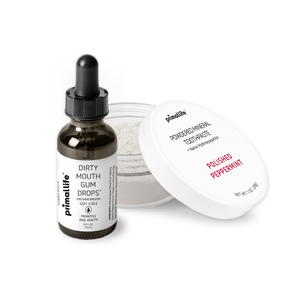
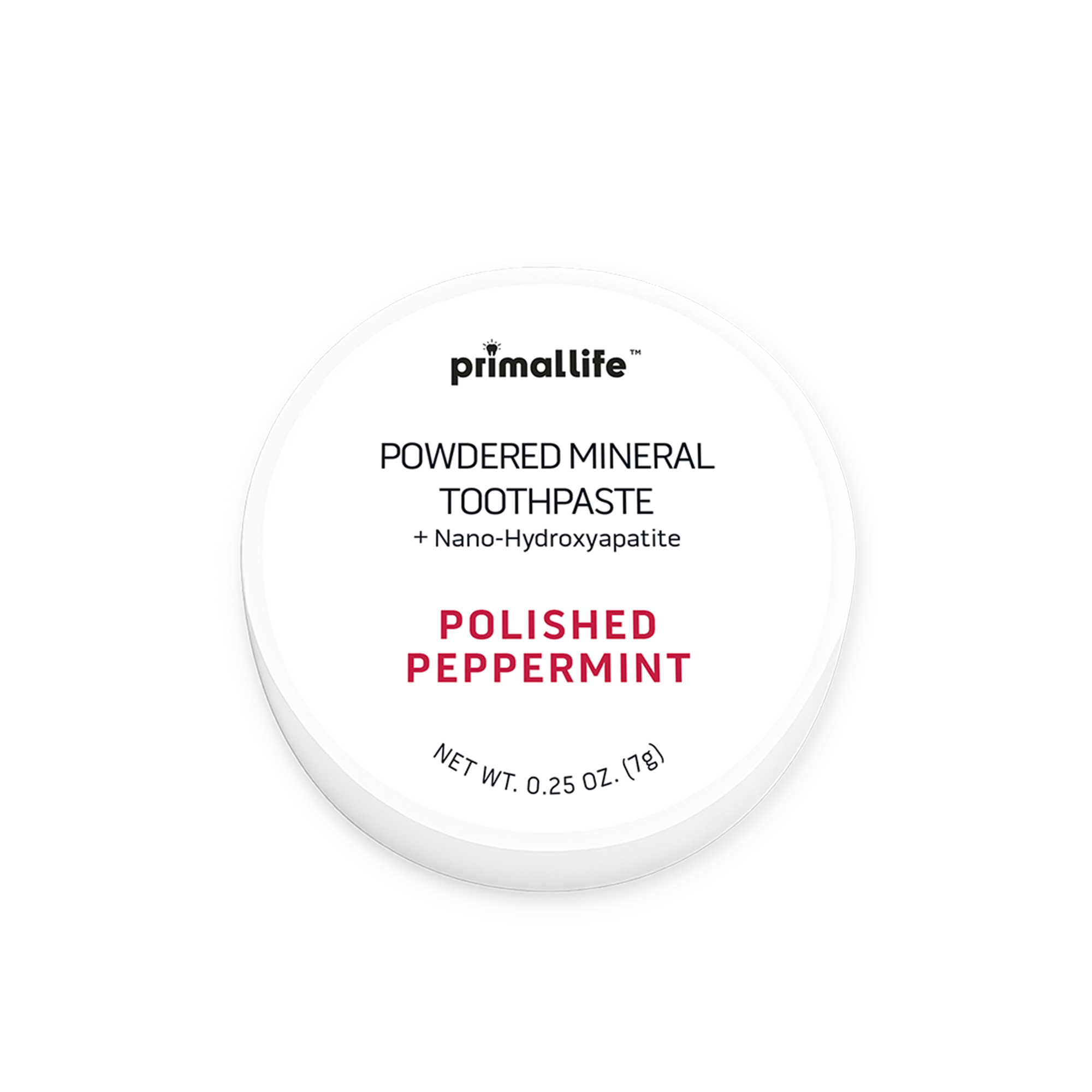
Dirty Mouth Toothpowder offers a mineral-based approach to brushing and features ingredients such as nano-hydroxyapatite, bentonite clay, kaolin clay, and aluminum-free sodium bicarbonate.
Each ingredient brings something unique to the brushing experience:
-
Nano-hydroxyapatite is a calcium-phosphate mineral with a composition similar to the mineral naturally present in tooth enamel. Its exceptionally small particle size and mineral-based nature have made it an increasingly popular ingredient in modern oral-care products.
-
Bentonite clay is a naturally occurring mineral clay with cleansing and polishing properties that complement the brushing process.
-
Kaolin clay is a fine, naturally occurring mineral clay that helps gently polish the tooth surface and lift surface debris during brushing.
-
Sodium bicarbonate helps clean and polish the tooth surface while helping remove some external surface stains.
Together, these ingredients create a distinctive mineral-based brushing experience for people who prefer a toothpowder rather than a traditional paste.
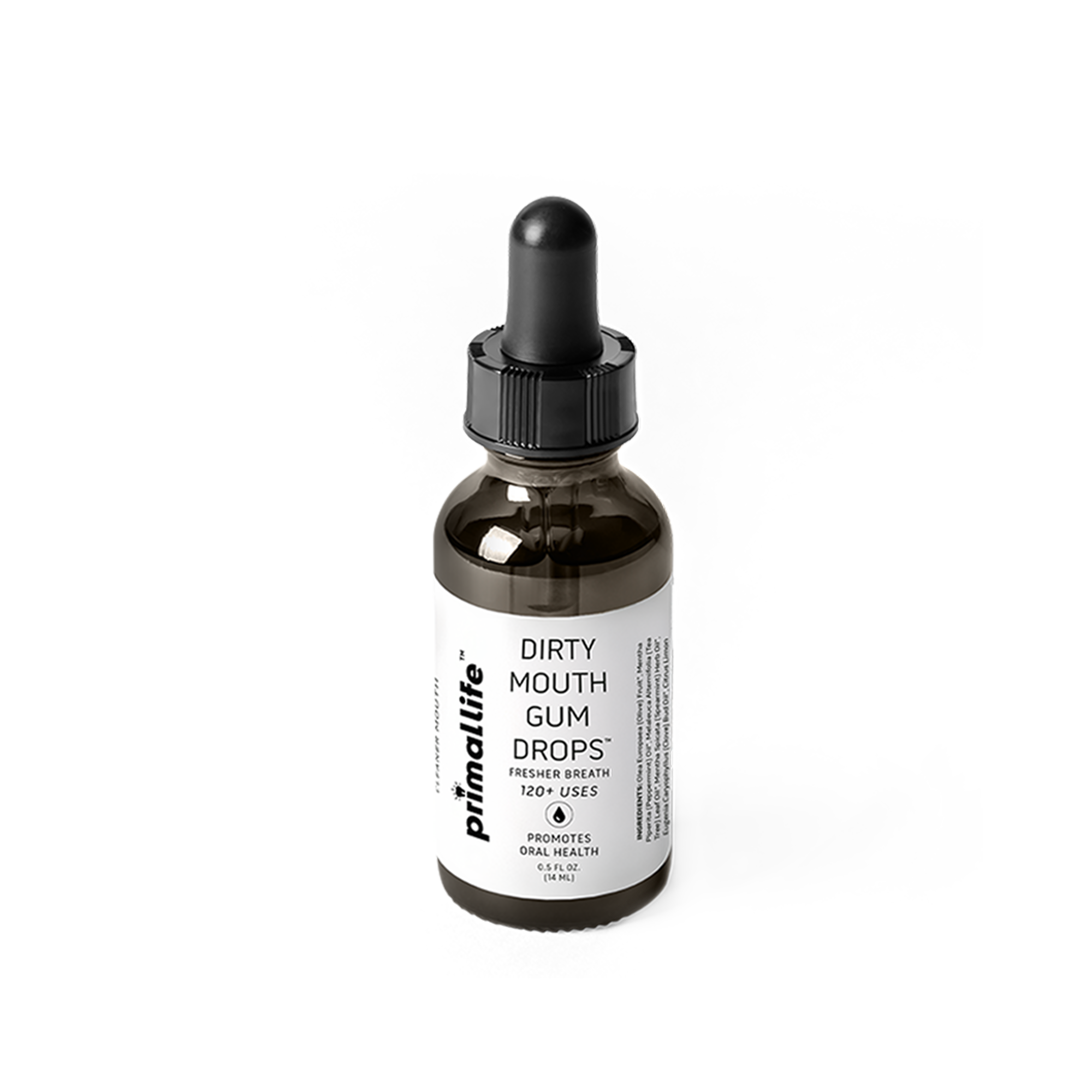
Dirty Mouth Gum Drops offer another way to complement your daily oral-care routine. They feature extra virgin olive oil along with a distinctive blend of botanical essential oils, including tea tree, peppermint, spearmint, lemon, eucalyptus, clove bud, lavender, myrrh, cinnamon, chamomile, and cypress.
Peppermint oil contributes a fresh, cooling sensation, while spearmint oil adds a clean, refreshing flavor and aroma. Together with the other aromatic botanical oils, they create a bold sensory experience that leaves the mouth feeling fresh and clean.
For people who enjoy botanical-based oral care, Dirty Mouth Gum Drops provide a simple way to add a fresh, aromatic step to a daily oral-hygiene routine.
Primal Life Organics oral-care products are designed to complement everyday oral-hygiene habits. They are not substitutes for professional diagnosis or treatment of cavities, gum disease, dental infections, or other oral-health conditions.
When Should You See a Dentist?
Don't try to self-diagnose whether tooth decay is early enough to remineralize.
Schedule a dental evaluation if you notice:
-
Persistent tooth sensitivity
-
Tooth pain
-
Visible white, brown, or dark areas on a tooth
-
A visible hole or damaged area
-
Pain when eating or drinking
-
Swelling around a tooth or gum
Seek prompt professional care for significant pain, facial swelling, fever, or other signs that could indicate an infection.
Early treatment is generally simpler than waiting for decay to progress.
The Bottom Line: Support Your Mouth Before a Cavity Forms
Can you heal cavities naturally?
Early tooth decay and enamel demineralization may sometimes be stopped or reversed before a cavity forms. Once tooth structure has broken down and a true cavity exists, the damage requires professional dental evaluation and typically needs restoration.
The most useful goal isn't trying to make an established cavity disappear.
It's creating consistent habits that support your teeth every day:
-
Brush thoroughly twice daily
-
Clean between teeth
-
Limit frequent exposure to sugary foods and drinks
-
Drink water
-
Support healthy saliva flow
-
Visit your dentist regularly
Your daily routine can play an important role in maintaining a clean, healthy mouth, but it works best alongside, rather than instead of, professional dental care.
* This article is for general educational purposes only and is not intended to diagnose, treat, cure, or prevent any disease or replace advice from a dentist or other qualified healthcare professional. If you have tooth pain, suspected decay, gum symptoms, or another oral-health concern, consult a dental professional.
Sources & Research:
-
National Institute of Dental and Craniofacial Research (NIDCR). “The Tooth Decay Process: How to Reverse It and Avoid a Cavity.”
https://www.nidcr.nih.gov/health-info/tooth-decay/more-info/tooth-decay-process
-
National Institute of Dental and Craniofacial Research (NIDCR). “Tooth Decay.”
https://www.nidcr.nih.gov/health-info/tooth-decay
-
Abdelrahman SM, et al. “Effects of Mint Oils on the Human Oral Microbiome: A Pilot Study.” Microorganisms. 2024;12(8):1538.
https://pubmed.ncbi.nlm.nih.gov/39203382/
-
Bordea IR, et al. “Nano-hydroxyapatite use in dentistry: a systematic review.” Drug Metabolism Reviews. 2020;52(2):319–332.
https://pubmed.ncbi.nlm.nih.gov/32393070/
-
Gonçalves IMC, et al. “Development of toothpaste formulations containing mineral clays as abrasive agents and their effects on the physical properties of dental enamel.” Journal of Esthetic and Restorative Dentistry. 2024;36(6):901–910.
https://pubmed.ncbi.nlm.nih.gov/38348937/
-
Schemehorn BR, Moore MH, Putt MS. “Abrasion, polishing, and stain removal characteristics of various commercial dentifrices in vitro.” Journal of Clinical Dentistry. 2011;22(1):11–18.
https://pubmed.ncbi.nlm.nih.gov/21290981/
Read more
It’s no secret, being pregnant comes with a lot of baggage. There’s frequent morning sickness, fever, and a constant need to visit your gynecologist. Beyond that, are you aware that pregnancy also...
A smile is the best outfit you can ever put on. However, wearing a bold smile might seem like a problem when your dental health is threatened. Of course, it is recommended to keep your teeth spark...